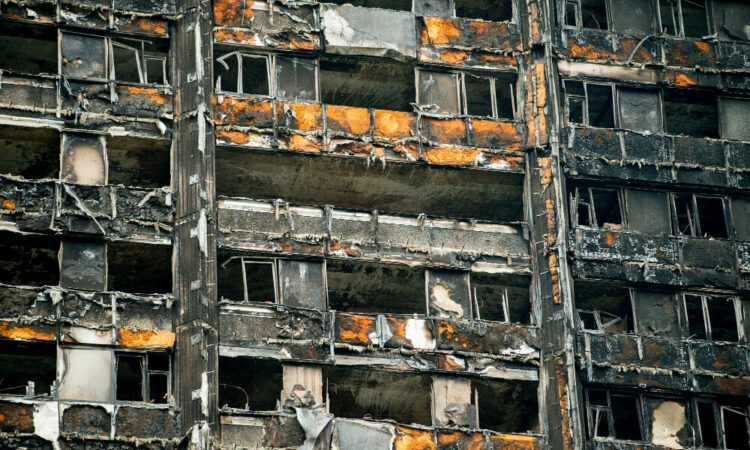
A number of developers and building owners are facing financial ruin as the fallout of the combustible cladding crisis widens in Australia.
Authorities have now identified more than 3400 residential apartment buildings as having cladding deemed flammable.
Fixing the cladding crisis will cost billions. The issue is being dealt with state-by-state, with governments handling the rectification works—no mean feat during a global pandemic and construction materials supply shortage.
In Victoria alone at least 71 buildings have been classified as “extreme risk” and another 368 as “high risk”.
Despite evidence of the risks of cladding fires, reports suggest that rectification work has been completed on just 11 of these buildings as of February this year.
Meanwhile, owners or occupants of lower-risk buildings have largely been left to fund the rectification work themselves. Fines are being issued, too.
This big issue is that the laws, policies and programs relating to combustible cladding and non-compliant building materials continue to evolve as governments take steps to regulate the industry, and provide owners with guidance and financial support.
Developers are facing an expensive replacement program during a global pandemic and a major slowdown of construction material supplies. A shortage of builders means the process will take years, and billions of dollars, to resolve, pushing developers to the brink and some into bankruptcy.
Authorities involved in resolving the crisis have apportioned the blame to certifiers, insurers, installers or developers and in some cases, all of the above. The full implications for developers and building owners are not yet clear.
In Australia, the cost to rectify the defects falls to homeowners, however, there is limited information about how much the replacement will cost. There are stories about developers caught out, left holding the bill for a building that has dropped significantly in value.
Continue reading